Source Waterproof Fogproof Porro Binoculars for Travel Bird Watching Hunting
Compare 30 waterproof fogproof porro binoculars from verified Chinese manufacturers. Buyers can evaluate magnification, prism types, and optical glass specifications to find suitable options for travel, bird watching, and hunting applications; compare the available evidence and request quotations based on your requirements.
Key considerations
Products List


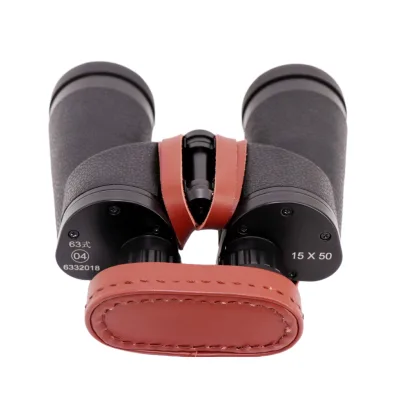
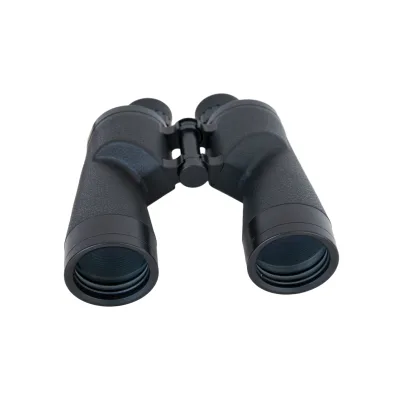
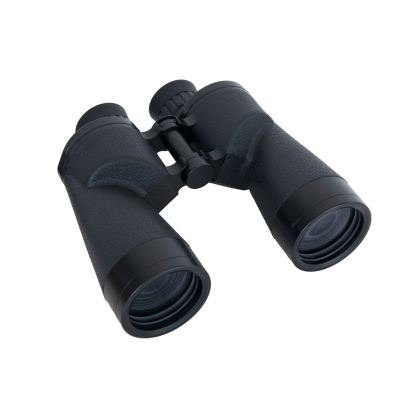
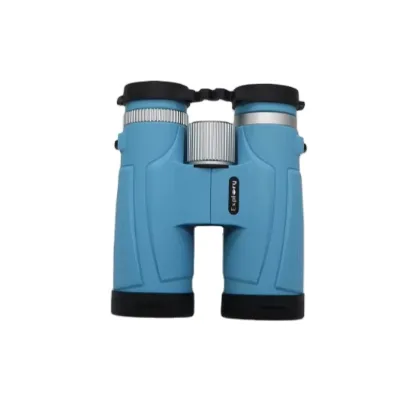
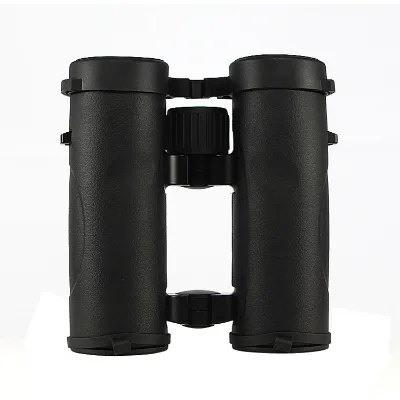

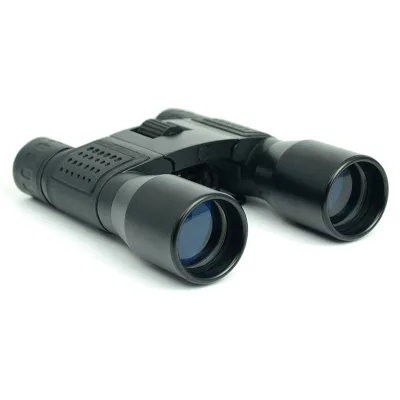
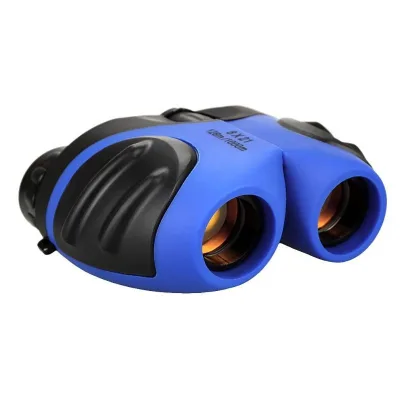
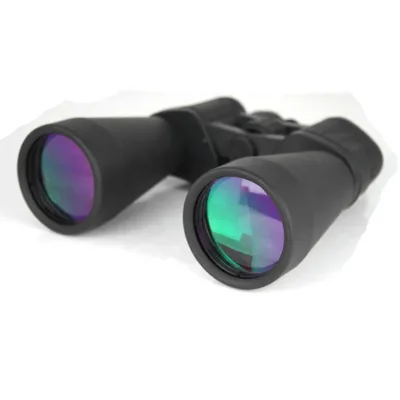

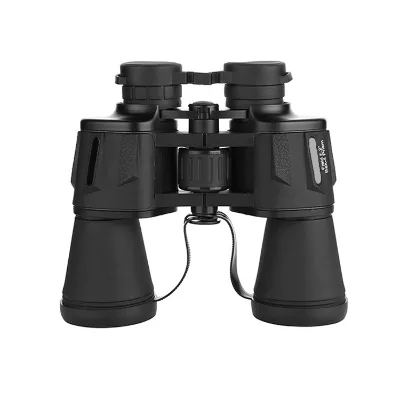


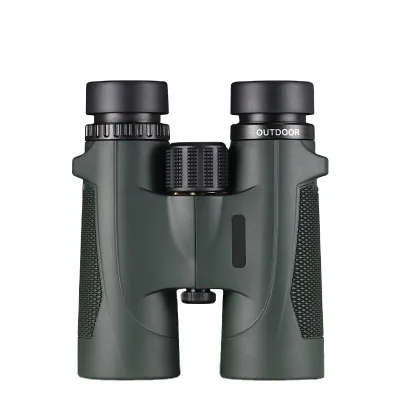
Comprehensive Sourcing Guide
Waterproof Fogproof Porro Binoculars Sourcing Guide
Procuring waterproof and fogproof Porro prism binoculars requires careful attention to the specific optical architecture that defines this category. The observed market data indicates a strong presence of models featuring Porro prisms, which are distinct from roof prism designs due to their wider base and traditional optical path. Buyers must verify that the "Waterproof" and "Fogproof" attributes are not merely marketing terms but are backed by physical construction standards, such as nitrogen purging and O-ring sealing, which are critical for maintaining optical clarity in humid or rainy environments.
The sourcing landscape for these instruments reveals a diverse range of configurations, from compact 10x25 models to larger 7x50 variants, each serving different operational needs. While some listings highlight specific usage scenarios like bird watching, hunting, and travel, the core technical requirement remains the ability to withstand moisture ingress without internal fogging. Sourcing teams should prioritize suppliers who can demonstrate consistent manufacturing processes for sealing these optical tubes, as the Porro structure presents unique challenges for maintaining a hermetic seal compared to other binocular types.
Product Scope and Observed Listing Signals
The current market inventory for Porro prism binoculars displays significant variation in magnification and objective aperture, ranging from 10x25 to 7x50 configurations. Listings frequently cite specific model identifiers such as 5A/8X25 and 6ID/10X25, alongside general standards like 7x50, indicating a broad spectrum of product availability. Buyers should note that while some products are marketed with generic terms like "Inexpensive," the underlying specifications often include precise details regarding exit pupil diameter and field of view, which are essential for evaluating performance suitability for specific applications.
Observations of product attributes reveal that many units are designed for dual-purpose use in both gift markets and professional outdoor activities like hunting. The data shows a mix of net weights, with some compact models weighing as little as 205g while others reach 1200g, reflecting the trade-off between portability and optical power. When evaluating listings, procurement specialists must cross-reference the stated magnification, such as 7X or 10X, with the objective aperture to ensure the light-gathering capability matches the intended low-light performance requirements for the target user base.
Technical Specifications to Verify
Verification of the optical system is paramount, specifically confirming the prism type and the objective aperture dimensions. The supplied facts explicitly identify Porro prisms as a key feature for several models, distinguishing them from other optical designs. Buyers must ensure that the objective aperture, often listed as less than 30mm or within the 30-50mm range, aligns with the stated magnification to calculate the correct exit pupil diameter, which directly impacts image brightness and eye relief for the end user.
Beyond the prism structure, critical optical metrics such as field of view and resolving power require strict validation against the product datasheet. Data indicates varying field of view specifications, ranging from 7 degrees to 117 meters per 1000 meters, which significantly affects the usability of the binoculars for tracking moving subjects. Procurement teams should demand test data or manufacturer declarations confirming the distance of the exit pupil, as values like 11mm or 12.7mm are crucial for ensuring comfortable viewing, especially for users who wear eyeglasses during extended observation periods.
Compliance and Safety Documentation
While specific certification standards like CE and FCC are mentioned in the context of certain models, buyers must treat these as variable attributes rather than universal guarantees for all Porro prism binoculars. The presence of these standards in some listings suggests that compliance is achievable, but it is not automatically inherent to the product category. Sourcing agents should request valid certification documents for each specific batch or model to verify that the electrical components, if any, and the optical materials meet the regulatory requirements of the destination market.
Safety documentation should also extend to the physical construction of the binoculars, particularly regarding the waterproof and fogproof claims. Although the product attributes list these functions, the absence of specific IP ratings or pressure test results in the general data necessitates a request for detailed quality assurance reports. Buyers should ensure that the supplier provides evidence of the sealing process, such as nitrogen filling procedures, to substantiate the claim that the internal optics remain free from condensation under extreme temperature fluctuations.
Cost Drivers and Commercial Terms
The pricing structure for these optical instruments is heavily influenced by the objective aperture size and the complexity of the sealing process required for waterproofing. Larger objective lenses, such as those approaching 50mm, typically command higher prices due to the increased cost of glass and the precision required for assembly. Conversely, compact models with smaller apertures, like the 25mm variants, offer a lower entry point but may have limitations in low-light performance, requiring buyers to balance cost against the specific lighting conditions of the intended application.
Commercial terms, including minimum order quantities and packaging specifications, vary significantly across the observed product range. Some listings indicate an MOQ of just 2 pieces, while others suggest higher thresholds, and packaging is frequently described as carton-based with specific dimensions like 12410549mm. Procurement planners must account for these logistical variables when calculating the total landed cost, as the weight and volume of the packaging directly impact shipping expenses, especially when sourcing from the primary manufacturing region identified as China.
Supplier Qualification and Quality Control
Supplier qualification for Porro prism binoculars should focus on their ability to maintain consistent optical alignment and sealing integrity across production batches. The observed data shows a mix of customization options and standard models, indicating that suppliers must have flexible manufacturing lines capable of handling both OEM color requests and specific model configurations. Buyers should verify the supplier's history with Porro prism assembly, as the alignment of the prisms is more complex than in roof prism designs and requires specialized jigs and skilled labor to prevent image distortion.
Quality control protocols must explicitly address the waterproof and fogproof performance claims through rigorous testing procedures. Since the product attributes list these features, the supplier should be able to demonstrate a quality control plan that includes water immersion tests and thermal shock testing to validate the hermetic seal. Procurement teams should request sample units for independent verification of the exit pupil distance and field of view, ensuring that the physical product matches the technical specifications provided in the initial listing before committing to a larger order volume.
Long-Term Procurement Checks
Establishing a long-term partnership requires a commitment to ongoing quality assurance and supply chain transparency. Buyers should implement a schedule for periodic re-verification of the waterproof seals and optical alignment, as these components can degrade over time due to environmental exposure or manufacturing variances. Maintaining a relationship with a supplier who provides consistent technical support and replacement parts for any potential optical or mechanical failures is essential for ensuring the longevity of the product line in the market.
Future procurement strategies should also consider the evolution of optical standards and the potential for new material technologies that could enhance durability. As the market for outdoor optics continues to grow, suppliers may introduce improved coatings or sealing materials that offer better performance than current standards. Buyers should stay informed about these developments and maintain open communication channels with their suppliers to ensure that their product offerings remain competitive and meet the increasing demands for high-quality, reliable optical instruments.
FAQs
What are the key specifications for the 7x50 binoculars?
The 7x50 binoculars feature an 8X magnification with a 50mm entrance pupil diameter and a 7.14mm exit pupil. They offer a 7-degree field of view and weigh 1200g. The glass lenses and optical glass prisms ensure clarity. These units measure 20.5x6x19.5 cm and are suitable for travel and bird watching.
Can I customize the packaging for bulk orders?
Yes, customization is available for bulk orders. The products are packed by carton, with specific box sizes like 124x105x49mm for smaller models. Buyers can request OEM color options and tailored packaging solutions to meet specific branding or logistical requirements for international shipping and retail distribution.
What is the minimum order quantity for these binoculars?
The minimum order quantity is typically 2 pieces for standard models. However, observed MOQ ranges from 1 to 500 units depending on the specific product variant and supplier terms. Buyers should verify the exact MOQ for their desired model, such as the 8x25 or 10x25 versions, before placing orders.
Which models offer waterproof and fogproof features?
The 10x25 Porro Prism binoculars are explicitly described as waterproof and fogproof. These models feature center focusing and are designed for travel and hunting. They include CE and FCC standards compliance. Buyers seeking durable optics for outdoor use should prioritize these specific high-quality, inexpensive options for reliable performance.
What is the resolving power of the 7x50 model?
The 7x50 binoculars have a resolving power of less than 6 degrees. This specification ensures clear image separation at distance. Combined with an 117m/1000m field of view, these optics provide sharp visibility. The glass lenses and optical prisms contribute to this high resolving capability for detailed observation.